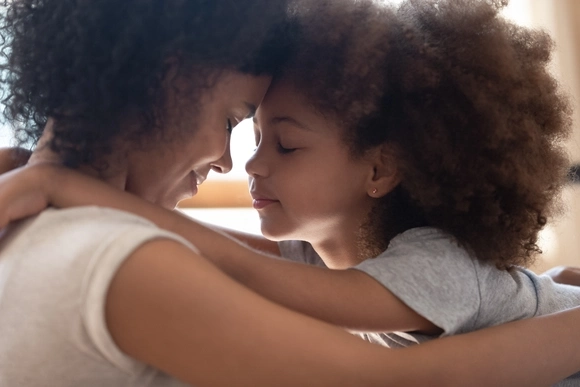
Nonverbal communication is just as important as verbal communication, but many of us don’t know how to talk with our body language like we do with our words. Understanding how things like facial expressions, hand gestures, and posture, and even eye movement affect the meaning behind your words and is important in communicating effectively.
Body language accounts for between 60% to 65% of our communication. Next time you're catching up with a friend or making an argument in an afternoon meeting, notice how you and your peers communicate with hand gestures, posture, and facial expressions. Suprisingly, 40% of how others understand you is nonverbal communication. The other 60% is divided between all your nonverbal cues. This includes your body language and other nonverbal forms of communication, such as tone of voice.
Most people understand body language unconsciously. You might not think:
“Their hands are on their hips, so they’re impatient.”
But you can infer that simply by seeing their body posture and language.
Understanding body language and nonverbal communication opens the door for meaningful and accurate communication. This article will define body language and nonverbal communication, provide 7 types of nonverbal communication, and help you understand and use nonverbal communication more efficiently.
This article gives you examples of types of body language and tips on how to use them to communicate effectively. It's a great guide for adults and children.
Let's dive in!
What Is Body Language?
Body language is the process of communicating nonverbally. Most body language is unconscious. Try to stop your hands from gesturing while you speak, and you’ll see how hard-wired these nonverbal movements are!
Most of us learn appropriate body language when we were young from observing how others act. We pick it up naturally and place it into our interactions. And each culture and region of a country has subtle nonverbal ways of communicating.
For some people though, picking up on nonverbal communication can be difficult. Some mental illnesses or neurodivergence make it difficult to understand body language or will change them.
For example, “flat affect” is a common symptom of depression, in which someone speaks in a toneless, flat voice. This can make it more difficult for people to understand them since they no longer can take the cue of tone from their interaction with them.
Also, people of different cultures can have different body language and gestures. A smile isn’t actually the same in every language, as cultural norms often dictate when and how much smiling, eye contact, hand gestures, and other nonverbal communication are used.
What’s the difference between nonverbal and verbal communication?
Verbal communication is the things you say with your words and Nonverbal communication is everything else!
Verbal communication is usually spoken or written. For example,
- “Stop doing that.”
- “I’m enjoying my new job.”
- “Yes, I’d like to go to lunch with you.”
Nonverbal communication is everything we say without words. It includes body language, tone of voice, physical touch, eye contact, facial expressions, and more. For example,
- Their arms are crossed and their body is turned away from you, signifying disinterest or a want to get away.
- They lean forward with a wide smile on their face, signifying joy and openness.
- Their hands are clenched and their eyebrows lowered, signifying anger.
Sometimes, our nonverbal communication doesn’t match up with our verbal communication. That’s why understanding body language is so important. Body language bridges the gap for our minds and provides context and reassurance.
Why Is Body Language Important?
When our nonverbal and verbal communication match up, we are seen as more trustworthy and reliable. Our nonverbal communication tells people what our words might not: that we care or don’t care, that we’re interested, that we’re angry or happy, and if we can be trusted.
Sometimes, we don’t say the things we mean because we don’t feel safe or able to. Understanding the body language cues in someone else is important in making them feel heard and safe when they can’t speak up.
What are the 5 C’s of body language?
The 5 C’s of body language can help you understand nonverbal communication. They were popularized by Chase Hughes and Carol Kinsey Goman and are things to look out for when noticing body language. When used together, they can help you interpret gestures, expressions, and movements in context rather than jumping to conclusions. The 5 C’s are:
- Context – Always think about the situation or setting. The same gesture can have different meanings based on the time and place. Example: Crossing arms in a cold room may indicate someone is cold, not defensive.
- Clusters – Look for groups of gestures or signals that happen together. Don’t concentrate on just one action. Example: Avoiding eye contact, fidgeting, and tense posture together suggest discomfort, but just fidgeting could suggest someone is focusing hard.
- Congruence – Check if a person's body language matches their words. When nonverbal signs and verbal messages align, communication feels more sincere. Example: Saying “I’m fine” while genuinely smiling versus saying it while frowning or sighing.
- Consistency – Pay attention to whether their body language is steady over time or changes abruptly. Inconsistencies may reveal hidden feelings or stress.
- Culture – Keep in mind that gestures and expressions can carry different meanings in various cultures. Example: A thumbs-up is seen as positive in many regions but can be offensive in others.
By using the 5 C’s, you can better understand body language and respond with greater empathy and awareness.
Types of Body Language and Nonverbal Communication and What They Mean
This section will focus on the body language and nonverbal communication common in the U.S., but it’s worth noting that even within the country, there are different body languages and gestures based on regions. Use this body language 101 guide to begin to understand how to read body language.
There are many different types of body language expression. Some of them include:
Facial Expressions
Facial expressions most frequently communicate emotion. Sadness, anger, and joy all show up on our faces. Although some people may be more or less expressive with their facial expressions, most people are able to understand a wide variety of facial expressions.
Some studies suggest that there are at least 7 universal facial expressions shared across cultures. While the topic is still debated, it's an interesting part of nonverbal communication to learn about. These 7 universal facial expressions are:
- Anger
- Contempt
- Disgust
- Fear
- Happiness
- Sadness
- Surprise
Still, some research suggests there may be more.
All parts of our face make up facial expressions, but the eyebrows and the mouth are specifically communicative when it comes to our emotions. For example:
- Raised or arched eyebrows signify surprise
- Lowered eyebrows signify anger, sadness, or fear
- A dropped jaw signifies surprise
- An open mouth can show fear
- A slanted mouth shows contempt or disgust
- Lip biting can show anxiety or focus
Our perception of nonverbal communication, like facial expressions, is not always accurate. For example, research shows that we are more likely to view narrow faces with prominent noses as intelligent, even though face structure has nothing to do with intelligence.
It’s always a good idea to ask what people are feeling instead of just assuming it. (Assuming someone’s emotions like this can be a sign of mind-reading, a common cognitive distortion.)
Hand Gestures
Many people use their hands to talk, but what do all those body gestures mean? Some meanings can signal different things. Here are some examples:
- Clenched fist: anger or solidarity
- Hands up: openness and vulnerability
- Hands in pockets: dominance
- A strong handshake can be perceived as confident or aggressive
- A weak handshake can be perceived as a meek or weak person
- No hand gestures while talking can come across as stiff and unapproachable
- Lots of wild hand gestures while talking can appear as unorganized or anxious
We can use nonverbal communication to communicate more efficiently and let our body language back up our words. Still, context is important; just because someone's hand gestures appear one way doesn’t always mean they are feeling that way. Context is important. Don't forget to listen to what someone is saying as well. And if you're confused, and it's appropriate, ask questions to clarify you understand what they're communicating.
Movement and Posture
Body posture language can tell us a lot about how someone is feeling, such as:
- Crossed arms: defensive, self-protective, or closed off
- Hands on hips: aggressive or on the defensive
- Crossing legs away from conversation partner: dislike or disinterest
- Fidgeting: anxious, bored, or frustrated
In general, when you cross parts of your body or turn away from someone, you’re signifying that you are not interested in the conversation. This could be because you’re uncomfortable, anxious, bored, or mad.
The speed at which we move our body also conveys important information. Erratic, choppy, and quick movements tend to convey unreliability or anxiousness, whereas very slow movements may convey disinterest or dismissal.
Eye Contact
Eye contact is one of the most telling forms of body language and communication. It can also be the most difficult to master. When you’re looking for eye contact, take note of:
- How frequently they look away: Prolonged eye contact demonstrates interest, but too much and you may come across as threatening. On the other hand, glancing away frequently conveys disinterest, discomfort, or even lying.
- Rapid blinking: distressed or uncomfortable
- Infrequent blinking: may be trying to hide something
- Dilated pupils: interested, excited, or attracted
Some people with Autism Spectrum Disorder (ASD) make less or more eye contact, or find it uncomfortable. People with anxiety, trauma, PTSD, also use more or less eye contact.
Space
How much space do you take up when you talk to someone? How close do you stand to people? These are all important aspects of nonverbal communication.
- Standing too close can be considered a breach of personal space and intimidating or aggressive
- Standing too far away conveys discomfort
People tend to stand closer to those they feel comfortable with. So, standing further away from a close friend may signify to them that something is wrong, but getting up and personal with a stranger is likely to make them uncomfortable. Still, these are all signals to back up our communication and other nonverbal cues. Preferred distance really varies by person, relationship, culture, and setting.
Tone
The tone of our voice isn’t necessarily nonverbal communication, but it is still a vital part of communication that doesn’t rely on words. There are four areas of tone:
- Pitch: Listeners often perceive deeper voices with dominance and higher voices with neuroticism and nervousness.
- Volume: Talking too loudly can convey aggression, whereas talking too quietly can convey shyness or timidness.
- Pace: How quickly you talk. Faster paces may come across as frantic, anxious, or nonsensical, whereas a slow, drawn-out pace may convey exhaustion, depression, or distraction.
- Inflection: A complicated part of voice, but essentially, where and how you stress your words. Stressing different words can spin different meanings into the same sentence.
Knowing when to use what type of tone can be helpful in communicating efficiently.
How to Improve Your Nonverbal Communication
You may have noticed that many of the perceptions we have about body language aren't always accurate. For example, people with a deeper voice aren’t automatically more dominant, yet people with a higher-pitched voice will still struggle to be taken seriously when matched with someone with a deeper voice.
Knowing how your nonverbal communication and body language can come across can help you use it to communicate more effectively. Here are some steps to do so:
- Manage your emotions: Our body language conveys strong emotions most of all. So someone very anxious will have more pronounced body language than someone who is calm. Learning how to ground yourself during an emotionally charged situation will help you control your body language and communicate more effectively.
- Learn how to read others’ body language: Body language is a conversation. Knowing what others are saying with their body will help you react. For example, if someone is crossing their arms and turning their body away from you, they might be intimidated or scared of you. Adopt a more open stance and friendly facial expression to put their mind at ease.
- Practice: If you have habits like lip biting or fidgeting while you talk, breaking them might take a while. Make a list of the body language habits you want to learn, and keep practicing them.
If you want to work on your communication skills, talking to a therapist can help. A licensed therapist or life coach can help you build your body language and nonverbal communication skills, so you can be accurately understood.
Lifebulb has a team of qualified therapists ready to meet you and help you work on body language today.